
Growing Healthy Smiles
Becoming a parent means getting comfortable with not having all the answers. One week you’re trying to figure out sleep schedules, the next you’re wondering whether your child needs fluoride, why a new tooth is coming in behind a baby tooth or if it’s normal that brushing has suddenly turned into a nightly negotiation. Questions about children’s teeth have a way of appearing gradually. They don’t usually arrive all at once, and they rarely come with a simple answer. That’s perfectly normal. Most parents are learning as they go, just like their children are.
At Lethbridge Dental Services South, children’s dentistry is part of the family dental care we provide every day. Our role isn’t simply to examine teeth every six months. It’s to help parents understand what’s happening as their child grows, answer questions with practical advice and identify concerns early whenever possible. Every child develops a little differently, which is why recommendations are based on their individual needs rather than a one-size-fits-all approach. Whether you’re booking your child’s first dental visit, wondering if a loose tooth is developing normally or looking for advice after spotting a cavity, we’re here to help you make informed decisions without making the process feel overwhelming.
WHEN SHOULD MY CHILD FIRST SEE A DENTIST?
This is one of the questions new parents ask most often, and the answer surprises quite a few people. The Canadian Dental Association recommends that children have their first dental visit within six months of their first tooth appearing or by their first birthday. Many parents assume that’s far too early because there are only a handful of teeth to look at, but those first visits are about much more than counting teeth.
They’re an opportunity to make sure your child’s mouth is developing as expected, answer questions about brushing, nutrition, fluoride and teething, and give parents practical advice that can help prevent problems before they begin. They also allow your child to become familiar with the dental office while the experience is still simple and low pressure. If your child is already older and hasn’t been to the dentist yet, don’t worry. There’s no benefit in looking backward and wondering whether you should have come sooner. The important thing is getting started now. Every child deserves a healthy place to begin.

WHAT HAPPENS DURING A CHILD’S FIRST DENTAL VISIT?
One of the biggest misconceptions parents have is that the first appointment will feel like an adult dental visit. It usually doesn’t. Young children are introduced to the dental office at a pace that’s appropriate for their age and comfort level. The visit often begins with a conversation about your child’s health, daily brushing routine and any questions you’ve been meaning to ask. From there, your dentist will perform an age-appropriate examination to check how the teeth, gums and bite are developing.
Depending on your child’s age and cooperation, the appointment may also include a gentle cleaning, preventive guidance and a discussion about fluoride if it’s appropriate for your child. The goal isn’t to rush through a checklist. It’s to help your child become familiar with the dental environment while giving parents the information they need to care for growing smiles at home. Some children are curious and excited. Others need a little more time to warm up. Both are completely normal. Building comfort with dental visits often happens gradually, and early positive experiences can make future appointments feel much more familiar.
DO BABY TEETH REALLY MATTER?
It’s an honest question, and one almost every parent asks at some point. After all, baby teeth eventually fall out. It’s easy to assume that small cavities or minor problems aren’t especially important if permanent teeth are already on the way. In reality, baby teeth have an important job to do. They help children chew comfortably, learn to speak clearly and hold space for the permanent teeth that will eventually replace them. When a baby tooth is lost too early because of decay or injury, it can sometimes affect how the adult teeth develop later on. That doesn’t mean every small concern becomes a major problem. It simply means baby teeth deserve the same attention as permanent teeth. Looking after them helps support your child’s oral health today while also giving their adult teeth the best possible start. If your child has chipped a tooth, is complaining of a toothache or you’ve noticed swelling around the gums, those concerns are worth having assessed.
HOW CAN I HELP MY CHILD AVOID CAVITIES?
Most parents are relieved to hear this: cavities aren’t caused by one bad day. They develop over time. Small, everyday habits usually make the biggest difference. That means brushing twice a day, limiting sugary drinks and snacks, drinking plenty of water and keeping up with regular dental checkups all work together to help protect growing teeth. Children’s teeth are different from adult teeth. The enamel is thinner, which means decay can sometimes spread more quickly if it’s left untreated. That’s one reason regular examinations are valuable. They give your dentist the opportunity to spot changes while they’re still small and discuss ways to reduce your child’s risk moving forward. The goal isn’t to make parenting more complicated or expect perfection. Every family has busy mornings, birthday parties and the occasional skipped brushing before bed. What matters most is the overall routine. Consistent habits, even imperfect ones, tend to make the biggest difference over time.

WHAT ABOUT FLUORIDE?
Few topics create as many questions as fluoride, and that’s understandable. Parents want to make informed decisions about anything that affects their child’s health. Fluoride is a naturally occurring mineral that helps strengthen tooth enamel and reduce the risk of cavities. Whether a fluoride treatment is recommended depends on several factors, including your child’s age, cavity risk and overall oral health. If your dentist believes fluoride may be beneficial, they’ll explain why, answer your questions and discuss the recommendation before any treatment is provided. At home, brushing with an age-appropriate fluoride toothpaste is an important part of daily oral hygiene. Young children should always be supervised while brushing to help ensure the correct amount of toothpaste is being used and to encourage good brushing habits as they become more independent.
WHAT ARE DENTAL SEALANTS?
If you’ve never heard of dental sealants, you’re not alone. The chewing surfaces of back teeth naturally have tiny grooves and pits that can be difficult to clean, especially for children who are still developing good brushing technique. Even when they’re doing their best, toothbrush bristles don’t always reach into those deeper areas. Dental sealants are thin protective coatings that may be recommended for certain teeth to help reduce the risk of decay in those grooves. Not every child needs sealants, and the decision depends on factors such as the way the teeth have developed and your child’s risk for cavities. If they’re appropriate, your dentist will explain how they work and answer any questions before treatment.
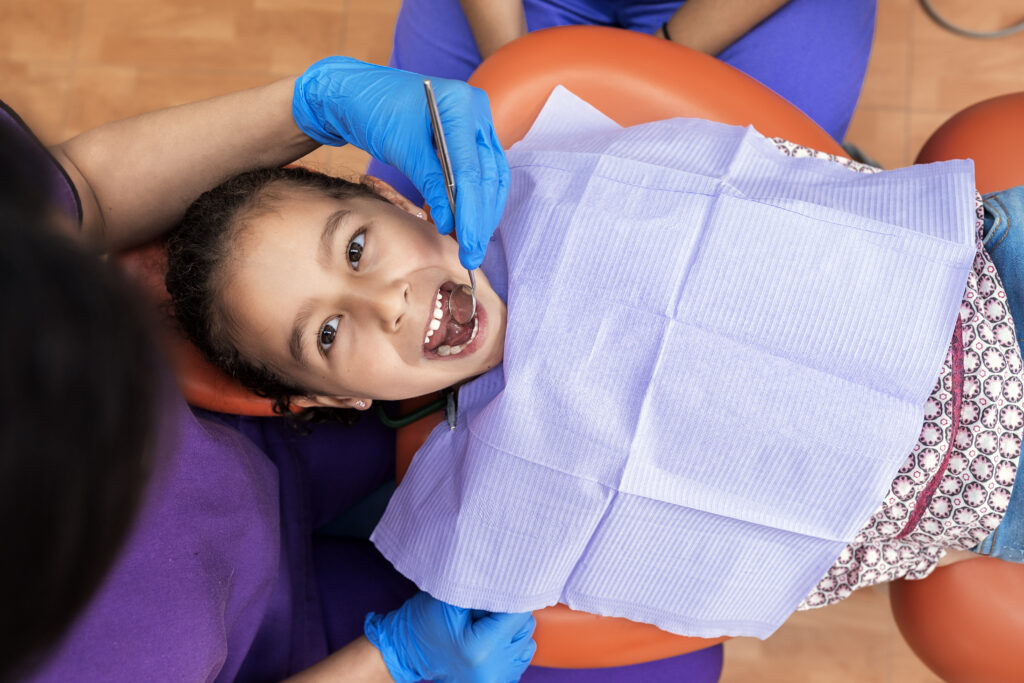
MY CHILD HATES BRUSHING. IS THAT NORMAL?
Completely. Very few children wake up excited to brush their teeth. Like putting on shoes, eating vegetables or getting ready for school, brushing is simply another routine they learn over time. One thing we’ve found helpful is keeping expectations realistic. Young children usually need help brushing much longer than parents expect. They may be able to hold the toothbrush themselves, but cleaning every surface thoroughly requires coordination that’s still developing. For many families, brushing works best as something they do together rather than something they ask their child to do alone.
If brushing has become a nightly battle, don’t assume you’re doing something wrong. It’s a stage many families work through. Sometimes a small change in routine, a different toothbrush or letting your child choose their own toothpaste flavour is enough to make brushing feel less like a chore. If you’re unsure whether your child’s brushing technique is effective, bring their toothbrush to the next appointment. We’re happy to offer practical suggestions that fit your child’s age and stage of development.
THUMB SUCKING, PACIFIERS AND OTHER HABITS
Thumb sucking and pacifier use are common during early childhood, and in many cases they’re a normal part of development. As children grow, these habits often decrease naturally. If they continue for an extended period or begin affecting how the teeth or jaws develop, your dentist may discuss ways to help your child transition away from them. The timing is different for every child, so recommendations should always be based on your child’s individual needs rather than a fixed age. Parents are sometimes worried they’ll be judged for these habits. Please don’t be. They’re common conversations in family dentistry, and our role is to provide practical guidance, not criticism.
WHEN SHOULD I BE CONCERNED?
Not every loose tooth or sore tooth is an emergency, but there are situations where it’s a good idea to contact your dentist sooner rather than later. If your child has ongoing tooth pain, swelling around the gums, an injury to the mouth, a chipped or broken tooth, or you’ve noticed a dark spot that seems to be getting larger, it’s worth arranging an appointment. Even if the concern turns out to be minor, it’s usually reassuring to have it assessed rather than wondering whether it can wait.
If something doesn’t seem quite right, we’d be happy to take a look. Contact Lethbridge Dental Services South to book your child’s dental appointment, and our team will be happy to help you find a convenient time to come in.
MY CHILD HAS A CAVITY. NOW WHAT?
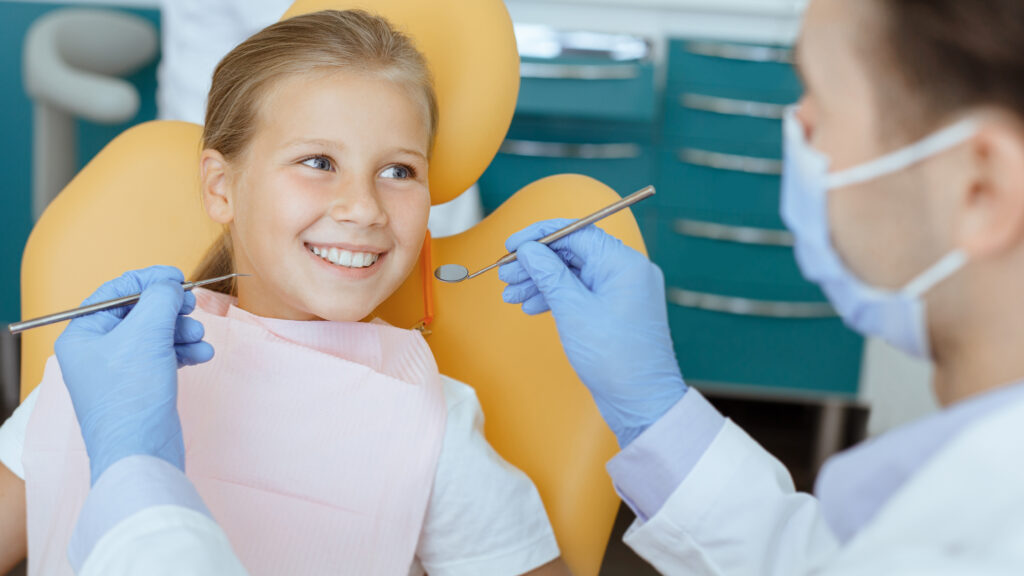
Finding out your child has a cavity can make any parent feel like they’ve done something wrong. In reality, cavities are incredibly common during childhood. Even families with excellent brushing habits can find themselves dealing with tooth decay. Diet, the shape of the teeth, oral bacteria and daily routines all play a role. If your child has a cavity, the first step is understanding how large it is and whether treatment is recommended. Small areas of decay are very different from cavities that have reached deeper into the tooth. Your dentist will explain what they’ve found, answer your questions and discuss the treatment options that may be appropriate for your child. The good news is that one cavity doesn’t define your child’s future oral health. Every appointment is an opportunity to make small changes that can help reduce the risk of future problems.
WHEN DO BABY TEETH FALL OUT?
One of the more exciting milestones in childhood is that first wiggly tooth. It usually arrives around six years of age, although every child develops at their own pace. Baby teeth generally begin falling out in the same order they appeared, making room for the permanent teeth underneath. That process continues throughout childhood and into the early teenage years.
It’s not unusual for parents to have questions as new teeth erupt. Sometimes the permanent tooth appears before the baby tooth falls out. Sometimes there’s a larger gap than expected. Sometimes a tooth seems to be taking much longer than another child’s did. Most of these differences are simply part of normal development, but if something doesn’t look quite right, it’s worth asking. A quick examination is often enough to determine whether everything is progressing as expected or whether your child would benefit from additional monitoring.
SHOULD I WORRY IF MY CHILD’S TEETH ARE CROOKED?
Not necessarily. Children’s mouths change constantly. As baby teeth are replaced by permanent teeth, it’s common for spacing and alignment to change from year to year. Some teeth erupt with plenty of room, while others appear crowded before the rest of the permanent teeth have had a chance to come in. Monitoring these changes is one of the reasons regular dental examinations are important. If your dentist notices something that should be watched more closely, they’ll explain what they’re seeing and discuss whether additional assessment may be appropriate as your child continues to grow.

WHAT IF MY CHILD HAS A DENTAL EMERGENCY?
Children have an incredible ability to find adventure, which sometimes means chipped teeth, bumped mouths and unexpected accidents. If your child has injured a tooth, has swelling around the gums, significant pain or bleeding that doesn’t stop, it’s a good idea to contact a dentist as soon as possible. Acting promptly can make it easier to assess the injury and determine the most appropriate next step.
If you’re dealing with a dental emergency, we’ve created additional resources that may help while you’re deciding what to do next:
If you’re ever unsure whether something should be seen right away, give our office a call. We’d much rather answer your questions than have you spend the evening wondering what to do.
A FEW QUESTIONS PARENTS ASK US ALL THE TIME
How often should my child visit the dentist?
The appropriate schedule depends on your child’s oral health and individual needs. For many children, regular dental examinations allow your dentist to monitor development, identify concerns early and provide preventive care when appropriate.
When should my child start brushing?
Brushing should begin as soon as the first tooth appears. As children grow, they gradually become more involved, but most still need help brushing effectively long after they want to do it on their own.
When should my child start flossing?
Flossing becomes important once two teeth begin touching. If you’re unsure how to help your child floss, we’re happy to demonstrate techniques during your next appointment.
How much toothpaste should my child use?
The amount depends on your child’s age. If you’re unsure what’s appropriate, ask during your next visit and we’ll show you what’s recommended for your child.
What if my child is nervous about visiting the dentist?
That’s more common than most parents realize. Children often take their cues from the adults around them. Speaking positively about dental visits, avoiding scary language and allowing your child to ask questions can help build confidence over time. If your child is feeling anxious, let us know before the appointment. Understanding how they’re feeling helps us tailor the visit to their comfort level. If dental anxiety continues to be a concern as your child grows, you may also find our Dental Anxiety page helpful.

HELPING CHILDREN BUILD HEALTHY HABITS TAKES TIME
There isn’t a finish line when it comes to children’s oral health. Every stage brings new questions, whether it’s a first tooth, the first loose tooth, braces, sports mouthguards or simply helping an eight-year-old remember to brush before bed. That’s normal. Childhood is full of transitions, and oral health changes right alongside everything else. Our role is to be a resource as your family grows. We’ll monitor how your child’s teeth are developing, answer questions honestly and recommend care based on their individual needs. Some visits are simply routine checkups. Others become opportunities to catch small concerns before they become larger ones. Either way, every conversation is another step toward helping your child enjoy a lifetime of healthy smiles.
LET’S HELP YOUR CHILD GET OFF TO A HEALTHY START
Whether you’re planning your child’s first dental visit or it’s simply time for a routine checkup, our team would be happy to welcome your family to Lethbridge Dental Services South.
Contact our office to book your child’s dental appointment. We’ll answer your questions, help you find a convenient appointment time and make sure you know what to expect before your visit.