
Cracked Teeth Are Not Always Obvious
Some broken teeth are easy to spot right away. Others are much harder to identify.
A patient might bite into something hard and suddenly feel sharp pain. Another person may notice discomfort that slowly gets worse while chewing over several months. Some cracks barely hurt at all in the beginning. That is what makes cracked teeth tricky sometimes.
What Causes Teeth To Crack?
Teeth can crack for many different reasons. Biting hard foods, sports injuries, grinding during sleep, clenching during stressful work schedules, weakened fillings, and simple wear over time can all contribute.
We commonly see cracked teeth in patients who grind their teeth heavily at night, work physically demanding jobs, or spend years putting repeated pressure on certain teeth without realizing it. In Southern Alberta, busy schedules and shift work often mean people push through discomfort longer than they should before getting things checked.
Can A Broken Tooth Heal On Its Own?
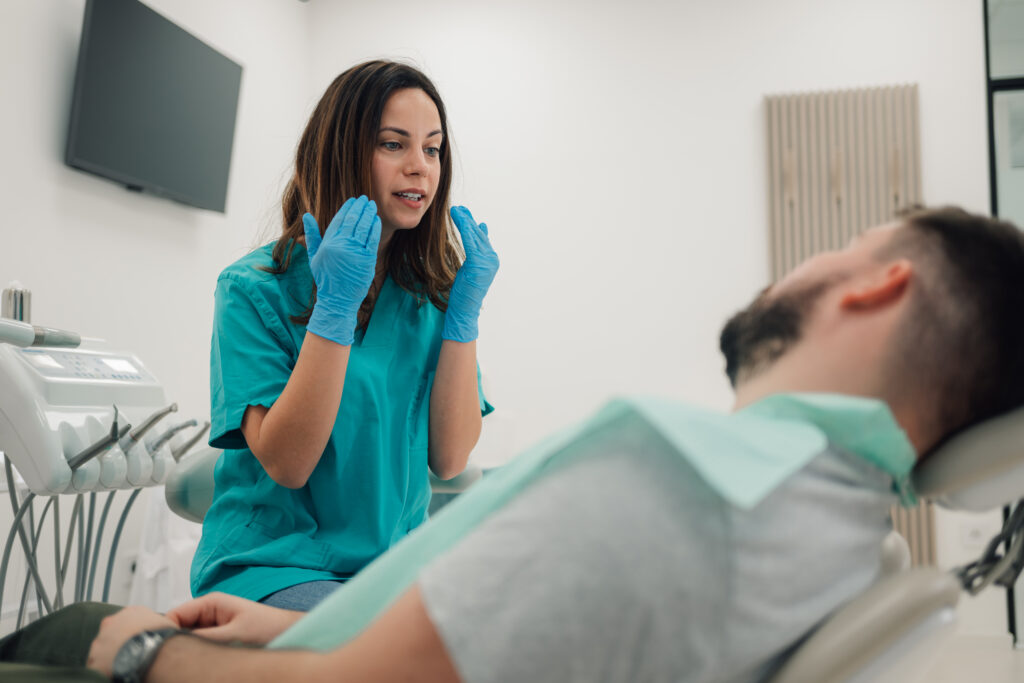
Unlike other parts of the body, teeth cannot repair themselves once they crack or break.
Some patients notice the pain comes and goes, which makes it seem like the problem has improved. Unfortunately, cracks can continue spreading over time, especially when pressure keeps being placed on the tooth while chewing.
The earlier a cracked tooth is evaluated, the better the chances of preventing more serious damage later on.
Sometimes The Pain Comes And Goes
Not every cracked tooth causes constant pain. Some patients only notice discomfort while chewing or when releasing pressure after biting down. Others experience sudden sensitivity to cold drinks, sweets, or temperature changes. Pain can also feel difficult to pinpoint, especially if the crack is small or hidden. Because symptoms vary so much, cracked teeth are not always easy to diagnose without an exam and X rays.
Is A Broken Tooth A Dental Emergency?
Sometimes it is. Broken teeth should generally be evaluated quickly if pain becomes severe, swelling develops, chewing becomes difficult, or part of the tooth breaks away completely. Prompt treatment may help prevent infection, additional structural damage, or worsening pain.
If you are unsure whether your situation requires urgent care, our team can help guide you based on your symptoms.
Emergency Dental Care in Lethbridge
Cracked Teeth And Toothaches Often Overlap
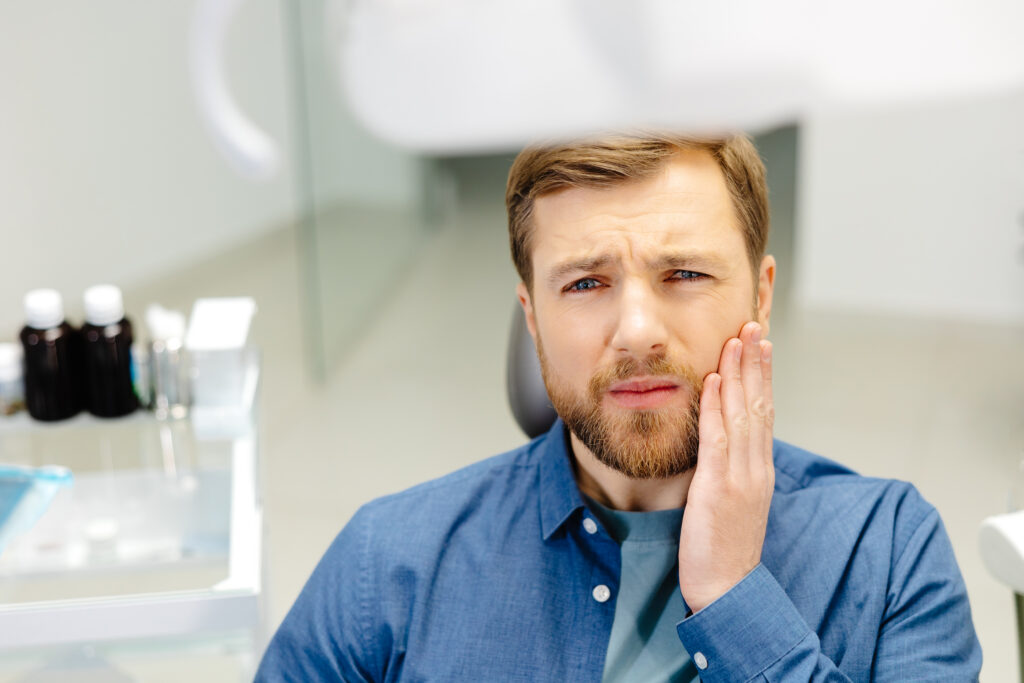
Some cracked teeth feel very similar to tooth infections or nerve pain. Patients often describe throbbing discomfort, pain while eating, or sensitivity that seems to come and go unpredictably. That is why toothaches and cracked teeth are often connected.
Treatment Depends On The Size And Location Of The Crack
Some cracked teeth may only require a filling or crown. Others may need more involved treatment if the deeper portion of the tooth or nerve becomes affected.
Every situation is different. The first step is determining how severe the crack is and whether the tooth can be stabilized before the damage worsens.
For nervous patients, sedation dentistry may also be discussed depending on the treatment required and individual comfort levels.
Waiting Too Long Can Make Things Worse
Many patients wait because the pain is not constant or because the tooth only hurts occasionally while eating.
Unfortunately, cracks often continue spreading slowly over time. What starts as occasional discomfort can eventually become severe pain, infection, or structural damage that becomes more difficult to treat later on.
Frequently Asked Questions
Can a broken tooth heal itself?
No. Teeth cannot repair themselves once they crack or break. While symptoms may come and go, the underlying crack usually remains.
Is a cracked tooth an emergency?
Sometimes. Severe pain, swelling, bleeding, or significant structural damage should be evaluated as quickly as possible.
Why does a cracked tooth hurt when chewing?
Pressure placed on a cracked tooth can sometimes cause movement within the damaged area, irritating the inner portion of the tooth and creating discomfort.
Can small tooth cracks become worse over time?
Yes. Even smaller cracks can gradually spread over time, especially if repeated pressure continues while chewing or grinding teeth.

Don’t Ignore A Tooth That Suddenly Starts Hurting
A cracked or broken tooth will not always cause constant pain right away. Some patients notice occasional discomfort for weeks or even months before things suddenly become worse. The earlier a cracked tooth is evaluated, the better the chances of preventing more serious damage, infection, or more involved treatment later on. Give us a call today.